The Zilarent Blog
Car Rental Business Insurance: What You Need Once Turo's Coverage Is Gone
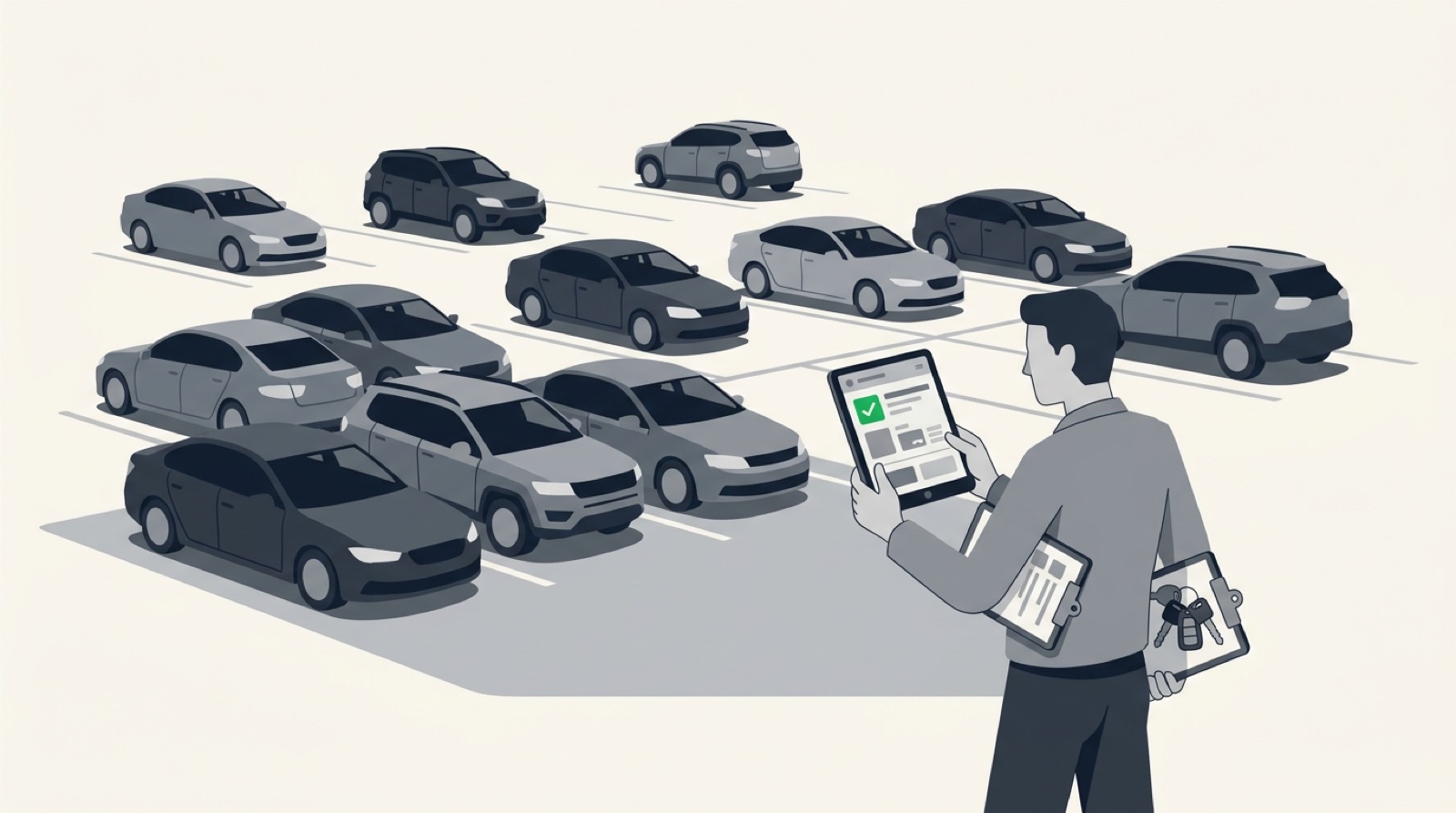
Here is the most concrete thing that changes when you take a fleet private. A trip booked on Turo carries Turo's protection plan with it: liability insurance, a damage reimbursement process, a claims desk. A trip booked on your own website carries none of that. Same car, same renter, same street, and a completely different answer to the question of who pays when something goes wrong.
Most hosts never had to think about this. You picked a protection plan inside the app, the percentage came off each trip, and the insurance question was answered before you finished listing the car. That convenience is one of the real reasons Turo works for new hosts, and it is the part of the platform that does not follow you out the door.
This guide is for operators who already run a fleet and are moving some or all of it to direct bookings: what Turo was doing for you, the coverage a private fleet needs, how it is priced, and the order to do things in so no car is ever on the road without cover. It is general information from people who run a direct-booking fleet. Confirm every detail with a licensed provider before you rely on it.
What Turo Was Actually Covering
Start with your personal auto policy. Personal policies are written for personal use, and renting a car to a stranger for money is commercial use. Many personal policies exclude it outright, and several states, including California, Florida and New York, have passed laws that expressly let insurers exclude peer-to-peer car sharing from personal coverage (Reuters legal analysis, 2023).
Turo's protection plan filled that gap on every trip. According to Turo's own host plan terms, every US plan includes up to $750,000 in third-party liability insurance under a policy issued to Turo (some states and airports differ), plus a contractual reimbursement for damage to your car above your plan's damage responsibility. Turo is explicit that the damage reimbursement is not insurance. You never bought a policy; you chose a plan.
Going private means you hold that exposure directly. Your rental car business insurance now has to do every job the plan was doing, for every trip that does not touch Turo. That cost is real, and solvable. If you are still deciding whether the move is right at all, read our guide to taking your Turo business private first. For a closer look at the plans themselves, see how Turo's protection plans work for hosts.
| On a Turo trip | On a private booking, you arrange |
|---|---|
| Third-party liability insurance under Turo's policy, up to $750,000 in most states | Commercial auto liability on your own policy, with limits you choose above your state minimum |
| Contractual reimbursement for damage to your car (Turo states this is not insurance) | Physical damage coverage: collision and comprehensive on each vehicle |
| Coverage that applies to whichever guest Turo approved | A rental endorsement that extends your policy to customer drivers |
| Turo's claims process and dispute handling | Your provider's claims process, backed by your rental agreement and condition reports |
| Guest screening done by the platform | Your own ID verification and driver screening |
| Basic roadside assistance | Roadside cover you add to the policy or buy separately |
The Coverage Types a Private Rental Fleet Needs
Commercial car rental insurance is a stack of policies and endorsements. The US Small Business Administration lists commercial auto and general liability among the standard coverages for any business that uses vehicles; a rental fleet adds a few layers specific to handing keys to the public. Here is what a typical car rental business insurance program contains, in plain English.
| Coverage | What it protects | Who commonly requires it |
|---|---|---|
| Commercial auto liability | Injury and property damage your renters cause to other people | State law (every state sets a minimum), airports, corporate accounts |
| Physical damage | Your own cars: collision, theft, weather, vandalism | Lenders and lessors on financed vehicles |
| Rental endorsement | Extends the policy to customers driving your cars | The policy itself; without it, renter-driven trips may sit outside cover |
| General liability | Your lot, office and handoffs, apart from the driving | Landlords, hotels, airports and venue partners |
| Umbrella or excess | Claims larger than your primary limits | Airports and corporate clients that set higher limits |
| Workers' compensation | Injuries to your employees | State law, once you have employees |
Commercial Auto Liability
This is the foundation: it pays for bodily injury and property damage to other people when one of your cars causes an accident. Every state sets a minimum, and a rental fleet usually carries more than that, because the exposure is different from a normal commercial fleet. A delivery company knows its drivers, trains them and sees their records every year. You hand the keys to a different stranger every few days, many of them tourists on unfamiliar roads. Underwriters price that difference, and they want to see how you choose who drives.
Physical Damage: Collision and Comprehensive
Liability protects other people. Physical damage protects your own cars. Collision covers damage from a crash; comprehensive covers almost everything else, including theft, flood, hail, fire and vandalism. Each car gets a deductible, the amount you pay before the policy does. A higher deductible lowers the premium and means you absorb more of each small claim yourself, which is where your rental agreement's damage terms and a security hold at pickup start doing real work. Lenders on financed cars will usually require it.
General Liability
General liability covers the business apart from the driving. A renter trips over a curb stop in your lot. A customer slips on a wet floor at your counter. None of that involves a moving vehicle, so the auto policy may not respond. If you lease a lot or an office, the landlord will likely ask for proof of general liability, and so will most hotels or venues that let you meet renters on their property.
The Endorsement Every Rental Fleet Needs and Nobody Explains
This is the piece of commercial rental car insurance that trips up hosts most often. A standard commercial auto policy assumes a known group of drivers: you, your employees, perhaps people you list by name. A rental business does the opposite. It hands the keys to a rotating pool of customers, none of whom the insurer has ever seen.
Industry paperwork calls the fix a "rental to others" or "permissive user" provision. In plain terms, it is a written statement in your policy that customers who rent from you, under your rental agreement, count as covered drivers. Without it, a policy can look complete on paper and still decline a claim because the person driving was a paying renter the policy never expected.
So when you talk to a provider, ask the question directly: does this policy cover vehicles rented to the public, and under what conditions? Ask what it expects from you in return (minimum renter age, license checks, a signed agreement) and get the answer in writing.
Umbrella or Excess Liability
An umbrella or excess policy sits on top of your primary liability and pays once a claim exceeds those limits. Every car you add raises the odds that one serious accident outruns your primary limit. Hosts with a handful of cars sometimes skip it; most operators add it as the fleet passes ten or so vehicles. It also becomes a requirement rather than a choice once you want airport access or corporate contracts, which tend to set minimum limits higher than a single policy carries.
Workers' Compensation
The day you hire someone to clean, deliver or shuttle cars, workers' compensation enters the picture. It covers medical costs and lost wages if an employee is hurt on the job. Requirements are set state by state, including the employee count that triggers them, so check your state's rules through the US Department of Labor's workers' compensation resources. A solo host does not need it yet.
Data and Payment Risk
A private fleet also stores renters' driver's licenses and card details, which is a different kind of risk from a dented fender. The FTC's guide to protecting personal information is a good baseline. On Zilarent, ID verification and card processing (through Stripe) run inside the platform, so you are not keeping license photos in a phone camera roll or card numbers in a spreadsheet. Ask your provider whether your program should include cyber cover as well.
How Rental Car Fleet Insurance Is Typically Priced
Rental car fleet insurance is commonly billed as a fixed fee per car per month, rather than one lump premium for the whole operation. Add a car and you add a line to the schedule; sell one and it comes off. It folds neatly into your per-car numbers next to financing, cleaning and maintenance.
The number on each line depends on a handful of drivers:
- Vehicle class and value. A luxury car costs more to repair or replace than an economy sedan.
- State, and often the city. Repair costs, claim frequency and legal environment vary widely.
- Claims history. Your record, and the loss history of the cars, carries real weight.
- Deductibles. Higher deductibles lower the premium and raise what you pay per claim.
- Fleet size. More cars can spread risk, and also raise total exposure.
- Driver screening. Age minimums, license checks and verification show an underwriter how you manage who drives.
Because every one of those varies by operator, treat any single figure you see online as a description of someone else's fleet. Ask each provider for a quote built on your own vehicle schedule. When you are ready to compare numbers, our breakdown of what fleets actually pay for coverage walks through the line items.
What Changes the Day You Leave Turo
Coverage types are half the job; timing is the other half. The operators who get hurt are usually the ones who arranged the right policy on the wrong day. Work through this list in order.
- Set the effective date first. Your private policy should be bound and active before the first renter books on your own site. Zilarent's setup takes 5 to 7 business days for Turo hosts, so start the insurance conversation the same week you start the website build.
- Build your fleet schedule. Make, model, year, VIN and current value for every car you plan to rent privately. Providers quote from this list.
- Pull your history. Gather whatever claims and incident records you have from your Turo hosting. A clean record is an asset; bring it.
- Match your screening to the policy. Find out what the policy expects from renters, such as minimum age, license validity and a signed agreement, and make sure your ID verification and rental agreement enforce exactly that.
- Document every handoff. Photograph each car at pickup and return, with timestamps. Condition reports are what turn a damage dispute into a quick claim.
- Run both channels in parallel. Keep your Turo listings live while the private side proves itself. Turo-booked trips stay under Turo's protection plans; your new policy covers the trips booked on your own site.
Where Zilarent Fits
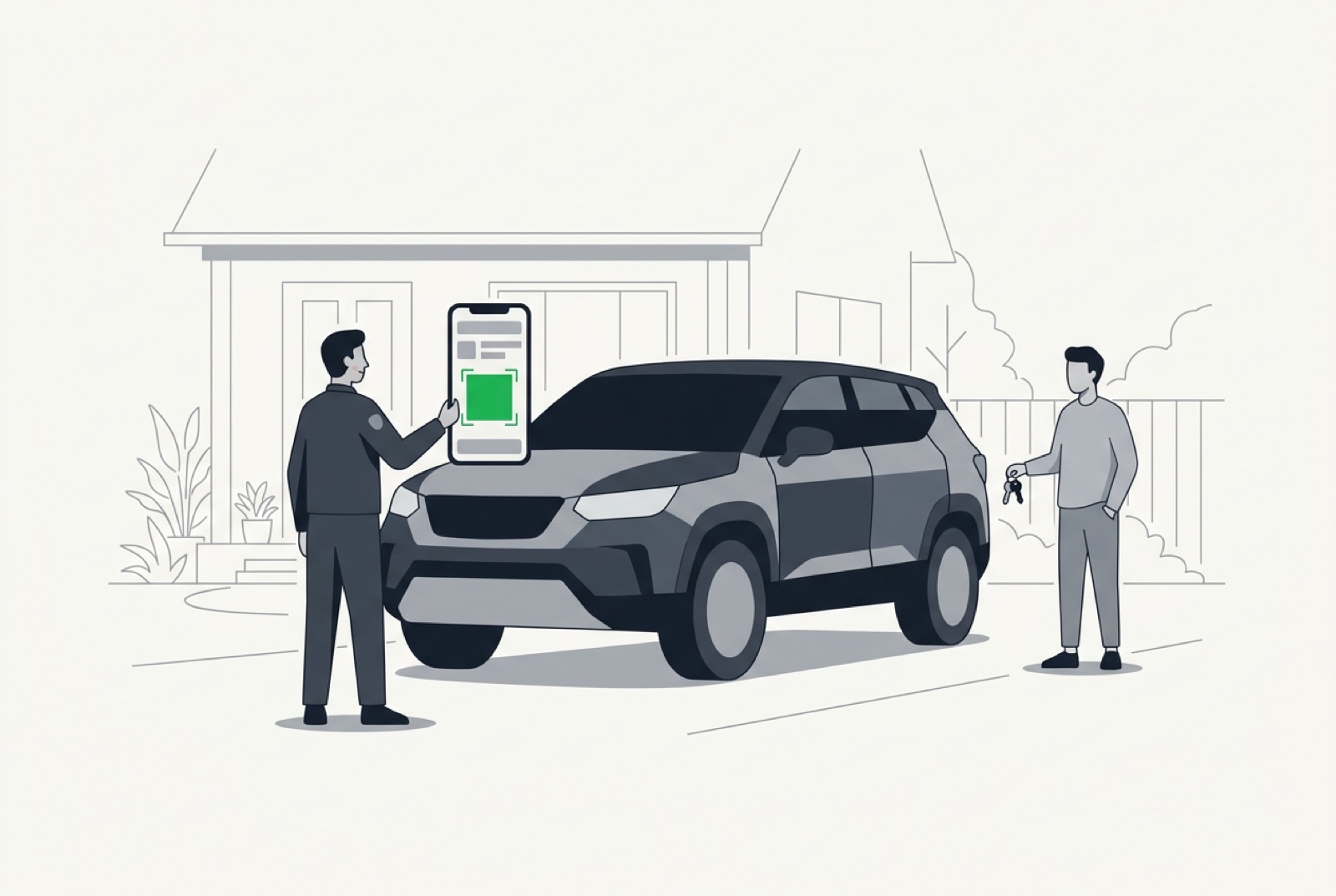
Zilarent is not an insurer and not a licensed insurance agent, and it does not underwrite or sell policies. Zilarent is car rental software built for operators going private, with done-for-you setup. As part of onboarding, we give commercial insurance guidance and introduce operators to insurance companies that cover car rental businesses. The introductions are free, available in every US state, and cover your private, direct rentals. Turo-booked trips stay under Turo's own protection plans.
If you are a host, the setup is built for Turo hosts going private: your own branded booking site, two-way Turo calendar sync so no car double-books, digital rental agreements with damage waivers and liability terms, and ID verification. If you are already running an independent fleet on spreadsheets, the same platform replaces them. There is no minimum fleet size; most operators run 10 or more cars.
Pricing is $299 a month, no per-booking cost out of pocket, plus a one-time setup fee quoted on your demo call. A 6% booking fee applies to each booking, and you can pass it on to the renter at checkout or absorb it. Your software, payments and car rental business insurance introductions then sit in one place. Confirm your final coverage with a licensed provider before you bind anything.
Common Questions
Does my personal auto insurance cover renting my car out for money?
No. Personal auto policies exclude commercial use, and renting a car out for a fee counts as commercial use. Turo's protection plan was filling that gap on every trip booked through the platform. Once a trip is booked on your own site instead, that gap is yours to fill, so a commercial policy needs to be in place before your first private booking.
What insurance does a private rental fleet actually need?
At minimum, car rental business insurance means commercial auto liability and physical damage coverage for the fleet, plus general liability for the lot and the handoff. Most fleets add an umbrella or excess layer as they grow, and the policy has to explicitly extend to a rotating pool of customer drivers, not just the operator's own staff.
How is rental fleet insurance usually priced?
Rental-fleet policies are commonly billed as a fixed fee per car per month rather than one lump premium for the whole fleet. The exact number depends on vehicle class and value, state, claims history, deductibles, fleet size, and driver screening, so ask any provider for a quote built around your own fleet rather than a quoted average.
Do I need a policy in place before my first private booking, or can it wait?
Before. A claim is the worst possible moment to discover a coverage gap, and rental-specific policies take time to document and bind. Treat insurance as a go-live requirement, not paperwork to finish after the website is live.
Can I keep renting on Turo while I arrange private coverage?
Yes, and for most operators that is the right way to start. Turo-booked trips stay under Turo's protection plans, and your private policy covers the trips booked on your own site. Run both channels at once, confirm your private coverage is active, and shift the mix of bookings as the private side proves itself.
Does Zilarent sell insurance?
No. Zilarent is not an insurer or a licensed agent. It has relationships with insurance companies that cover car rental businesses and makes introductions to them as part of onboarding. Introductions are free and available in every US state. Confirm final coverage details directly with a licensed provider before binding a policy.
If you are weighing several providers, our roundup of insurance options built for Turo hosts covers what to compare.
Thinking About It?
If you are ready to take bookings direct and want the insurance side handled in the right order, it is worth a conversation. We will walk through your fleet and what a private channel needs on day one, and tell you honestly if you are too early. When you are ready, book a demo.
Take your fleet private with the coverage in place.
Your own booking site, Turo calendar sync, and free introductions to insurance companies that cover car rental businesses.
No commitment. We’ll reach out within 24 hours.