The Zilarent Blog
How to Start a Car Rental Business (From Turo Host to Fleet Owner)
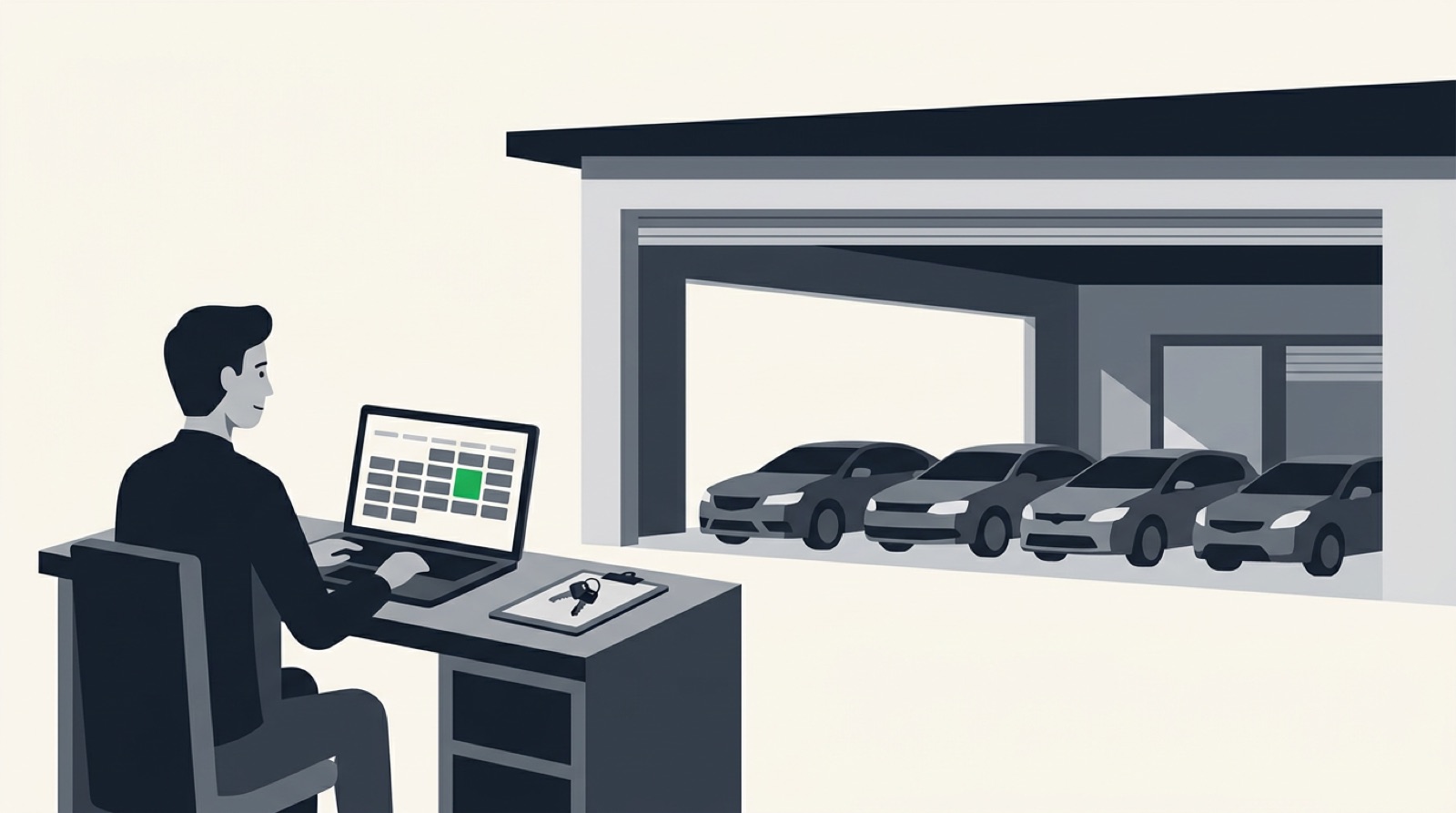
This guide is written for two kinds of operator: a Turo host with several cars and steady bookings who wants the business to carry its own name, customers and booking site, and an independent operator already renting cars locally off spreadsheets, text threads and a paper calendar. Both already have the hard part: cars that earn. Starting a car rental business from there is mostly paperwork, protection and a booking channel you own.
No cars yet? The steps still apply in the same order, and Step 5 covers buying or leasing a first fleet. Everything here comes from running a direct-booking rental fleet in Hawaii and onboarding operators who moved their fleets off Turo.
Which Path Are You Starting From?
Your starting point decides which steps take real work:
- Already on Turo with several cars. You have vehicles, reviews and demand. Read our guide to growing your Turo business into a private one, then focus on Steps 3, 4, 6 and 7 below.
- Already renting independently, off spreadsheets. The business exists and the gap is systems. See how Zilarent works for operators already running independently, then use Steps 4, 6 and 7 to tighten what you have.
- No fleet yet. Stay with this guide and take every step in order. Steps 2 and 5 matter most for you, because the numbers and the vehicles carry your whole risk.
Whichever line fits, the destination is the same: a car rental business that owns its bookings, its customer list and its brand.
Step 1: Choose Your Business Model
There are three ways to run a rental fleet, and the one you pick shapes every later step.
- Platform only. Every booking comes through Turo or another marketplace, which supplies demand, payments and protection and takes a share of every trip. Check how much Turo takes from hosts on your plan before you model anything.
- Private only. Every booking comes through your own website, phone and repeat customers. You keep the customer relationship and pay no marketplace commission, and you carry insurance, payments and marketing yourself.
- Hybrid. Keep Turo running and add your own channel beside it, shifting the mix as direct demand grows. Zilarent is built around this model.
Most guides on how to start a rental car business skip hybrid because they assume you start from zero. With Turo demand already in hand, it is the lowest-risk way to grow (Step 5 covers the mechanics). To put your model in writing, use our car rental business plan guide.
Step 2: Research the Market and the Real Numbers
Market research for a rental fleet comes down to two questions: what will each car gross in your market, and what will it cost to keep on the road? Look at local demand drivers (an airport, tourism, hotels, repair shops, a university), comparable rates nearby and seasonality.
Then hold your estimate against real operator figures. These come from fleets managed on Zilarent today, with Turo and direct bookings counted together, and they give anyone working out how to start a car rental business a realistic place to begin.
| Fleet type | Example | Gross bookings |
|---|---|---|
| Realistic average | A 65-car Hawaii operator on Zilarent, priced low on purpose to run near 100% utilisation | About $2,100 per car per month (about $137,000 across the fleet in 30 days) |
| Range across Zilarent operators | Whole-fleet totals from other operators on Zilarent, fleets of different sizes | About $6,000 to $106,000 per fleet in a 30-day period |
| Ceiling example | The Zilarent founder's own premium and luxury fleet in Hawaii, about 20 cars (Porsche and Corvette class), taking direct bookings alongside Turo | About $2,500 per car in a typical 30 days; close to $5,000 per car per month in peak season |
Lead with the first row. The founder's fleet is the ceiling: premium and luxury cars in a strong tourism market. Model an economy sedan against the $2,100 figure, then let your own research adjust it.
Every number in this table is gross bookings: what renters paid, before financing, insurance, cleaning, maintenance and payment processing come out. Gross bookings are revenue, never profit.
“Made over $1M through my Zilarent website in 2025 while still running Turo. Having my own brand changed everything.”
Shiloh runs both channels at once, which is the hybrid model from Step 1 in practice.
Step 3: Register Your Business and Get Licensed
Renting cars to the public is a business activity, so set it up as one, starting with the legal structure. A sole proprietorship is the default if you do nothing; an LLC or a corporation is a separate legal entity. The SBA notes that your structure affects your taxes, your paperwork and your personal liability, and the IRS overview of business structures explains how each one is taxed. Talk to an accountant before you choose.
Next, register the business with your state, then get an Employer Identification Number, which is free from the IRS, and open a business bank account.
Licensing is where location matters. According to the SBA, license and permit requirements and fees vary based on your business activities, location and government rules. Check three levels: your state (business registration, and whether vehicle rentals carry sales or rental taxes you must collect), your county and your city. Our guide to car rental business license requirements covers what typically applies and how to check your state.
Step 4: Insurance Before Your First Private Booking
This is the costliest mistake in the business, and the easiest to make. Many personal policies exclude liability when a car is rented to others for a fee, and several states have passed laws that let insurers exclude peer-to-peer car sharing from personal coverage (Reuters legal analysis, 2023). Turo's protection plans cover trips booked through Turo, as Turo's host plan terms set out. A trip booked on your own website sits outside both.
The private side needs its own commercial coverage, in place before the first renter books, usually built from several types:
- Commercial auto liability, for injury and damage your renters cause to other people.
- Physical damage (collision and comprehensive), for the cars themselves.
- Rental-specific policies or endorsements, which extend coverage to customer drivers.
- Umbrella or excess liability, an extra layer as the fleet grows.
Rental-fleet policies are commonly priced as a fixed fee per car per month.
Zilarent has relationships with insurance companies that cover car rental businesses, and makes introductions to them for its operators. The introductions are free, available in every US state, and cover your private and direct rentals; Turo-booked trips stay under Turo's own plans. Zilarent is not an insurer or a licensed agent, so confirm every detail of your coverage with a licensed provider. Our guide to car rental business insurance covers each policy type in depth.
Step 5: Build or Convert Your Fleet
If your cars already earn on Turo, converting the fleet means adding a second channel beside Turo. List the same cars on your own booking site and keep the Turo listings live. Two-way calendar sync blocks a car on one channel as soon as it books on the other, so a car listed in both places never double-books.
“Finally, I have my own brand and direct customer relationships. The Turo sync means I never worry about double bookings.”

If you are starting with no cars, the fleet is the biggest decision in a new car rental business and its biggest cost. Buying, outright or financed, gives you an asset and full control over mileage and use, and it ties up capital while the cars depreciate. Leasing lowers the upfront cost; check the lease for mileage caps and any limits on rental use before you sign. Start with reliable, mid-priced cars your market rents often, and add vehicles as bookings justify them.
Build your capital estimate with the SBA's startup cost guidance and quotes from your own market; vehicle prices, insurance and fees all vary by location.
Step 6: Choose Your Booking Software and Launch Your Direct Channel
Once insurance and the agreement are lined up, the booking system turns a set of cars into a company. Software is the fastest step in how to start a car rental business, and the one that saves the most hours afterwards. Zilarent's car rental software gives you:
- A private booking website on your own domain and brand, with instant booking: renters see live availability, pay and are confirmed immediately.
- Stripe payments, deposits, security holds and e-signature.
- Two-way Turo calendar sync, so the two channels never double-book.
- A fleet dashboard for reservations, availability, maintenance and daily tasks, including phone bookings.
- Reporting on utilisation, idle time and revenue per vehicle.
- Brand setup and done-for-you onboarding with a dedicated team.
Go-live takes 5 to 7 business days for Turo hosts and 7 to 10 for independent operators. There is no minimum fleet size; most operators run 10 or more cars. Zilarent costs $299 a month (waived for companies with over $1M in Zilarent bookings in the past 12 months), plus a 6% booking fee on each booking and a one-time setup fee quoted on your demo call; Zilarent pricing explains how the fee works.
See the setup built for Turo hosts going private, or the version built for independent operators.
“The setup was incredibly smooth. They handled everything from my website to rental agreements. I was live in under a week.”
Step 7: Put a Rental Agreement in Place
Every private rental needs a written agreement the renter signs before the keys change hands. At minimum it covers ID verification, damage waivers, liability terms and an e-signature, plus your rules on fuel, mileage, late returns, tolls and smoking. Zilarent's digital agreements build ID verification, damage waivers, liability terms and e-signature into the booking, so the signature happens as part of checkout. Start from our free car rental agreement template, then have a local attorney review it against your state's rules before your first booking.
Step 8: Market and Launch Your Direct Channel
Your website has no visitors on launch day, so plan the first bookings. The channels that work first are local: a Google Business Profile with real photos, a review from every renter, partnerships with nearby hotels, dealerships and repair shops whose customers need a car, and referrals from past renters.
If you host on Turo, build the direct channel's audience outside Turo. Turo's terms of service prohibit using Turo to find a guest and then completing the transaction outside it (a gray market transaction, with liquidated damages of $5,500 per breach), soliciting Turo users to competing websites, and using Turo's trademarks in your domain, social handles or ad keywords without consent. Read the current terms yourself before launch.
Starting a car rental business alongside Turo works when both channels grow side by side: Turo keeps earning while your brand, local search and offline relationships fill the direct site.
Common Mistakes First-Time Operators Make
- Launching the website before insurance and the agreement are ready. A live booking page with no commercial policy behind it turns your first private renter into an uninsured risk.
- Pricing without knowing your cost per car. Low rates can be a deliberate strategy (the 65-car operator in Step 2 prices low on purpose to run near full utilisation), and it works only when you know what each car costs to run. Undercutting without that number is how a busy fleet loses money.
- Treating the move off Turo as a single switch. Pulling every car at once onto a site nobody has visited yet empties the calendar while loan payments keep arriving. Run both channels and shift gradually.
- Relying on a verbal understanding. A handshake gives you nothing to point to when a car comes back damaged or late. Every renter signs a written agreement, every time.
- Messaging Turo guests to book direct. It breaches Turo's terms (see Step 8) and puts your Turo account, and the revenue on it, at risk.
A Note on Profit, Not Just Bookings
Every figure in this guide is gross bookings: the amount renters paid. Profit is what remains after the costs of running each car: financing or lease payments, insurance, cleaning, maintenance and repairs, payment processing and your booking software. Build those costs from your own quotes and statements; they vary too much by car, market and financing for one number. Two fleets grossing $2,100 per car can end the month in very different places. For the full breakdown, read Is a car rental business profitable?
Common Questions
Do I need to stop renting on Turo to start my own car rental business?
No. Keep your Turo listings earning and add your own booking channel. Zilarent's two-way Turo calendar sync blocks a car on one channel as soon as it books on the other. Our guide to growing your Turo business covers when to shift the mix.
What's the single biggest insurance mistake new operators make?
Assuming a personal auto policy or Turo's protection plan covers private rentals. Many personal policies exclude cars rented to others for a fee, and Turo's plans apply to Turo trips. Arrange commercial coverage, confirmed with a licensed provider, before your first private booking.
Do I need a special license to rent cars I already own to the public?
It depends on your state, county and city. Expect business and tax registration at minimum, and check for permits, taxes or fees specific to vehicle rentals in your area. Our guide to car rental business license requirements walks through what to check.
How long does it take to go from Turo host to running my own company?
Plan around the paperwork. Zilarent has Turo hosts live in 5 to 7 business days, but insurance, business registration and an attorney-reviewed agreement set the real timeline. Getting that order right is most of how to start a car rental business without stalling.
How much does it cost to start a car rental business?
It depends on whether you already own the cars. A Turo host's new costs are commercial insurance, registration fees, an attorney's agreement review and booking software. Starting with no cars, vehicles are by far the largest line. Build your own figure with the SBA startup cost guidance.
Is a car rental business actually profitable?
It can be; the answer sits in your own costs. Zilarent operators' gross bookings across Turo and direct ranged from about $6,000 to $106,000 per fleet in 30 days, before financing, insurance, cleaning, maintenance and processing. Profit is what remains. Read Is a car rental business profitable? for the full breakdown.
Ready to Run Your Fleet as a Company?
If you already have cars earning on Turo, or a local fleet running off spreadsheets, you have done the hardest part of how to start a car rental business. What is left is insurance, an agreement and a booking channel you own. Book a demo and we will walk through your fleet and tell you honestly if you are too early.
Your fleet, your brand, your bookings.
See your own booking site, Turo sync and rental agreements set up for your fleet. Trusted by operators running fleets of up to 200+ vehicles.
No commitment. We’ll reach out within 24 hours.