The Zilarent Blog
Turo Fleet Management: Running 10+ Cars Without Burning Out
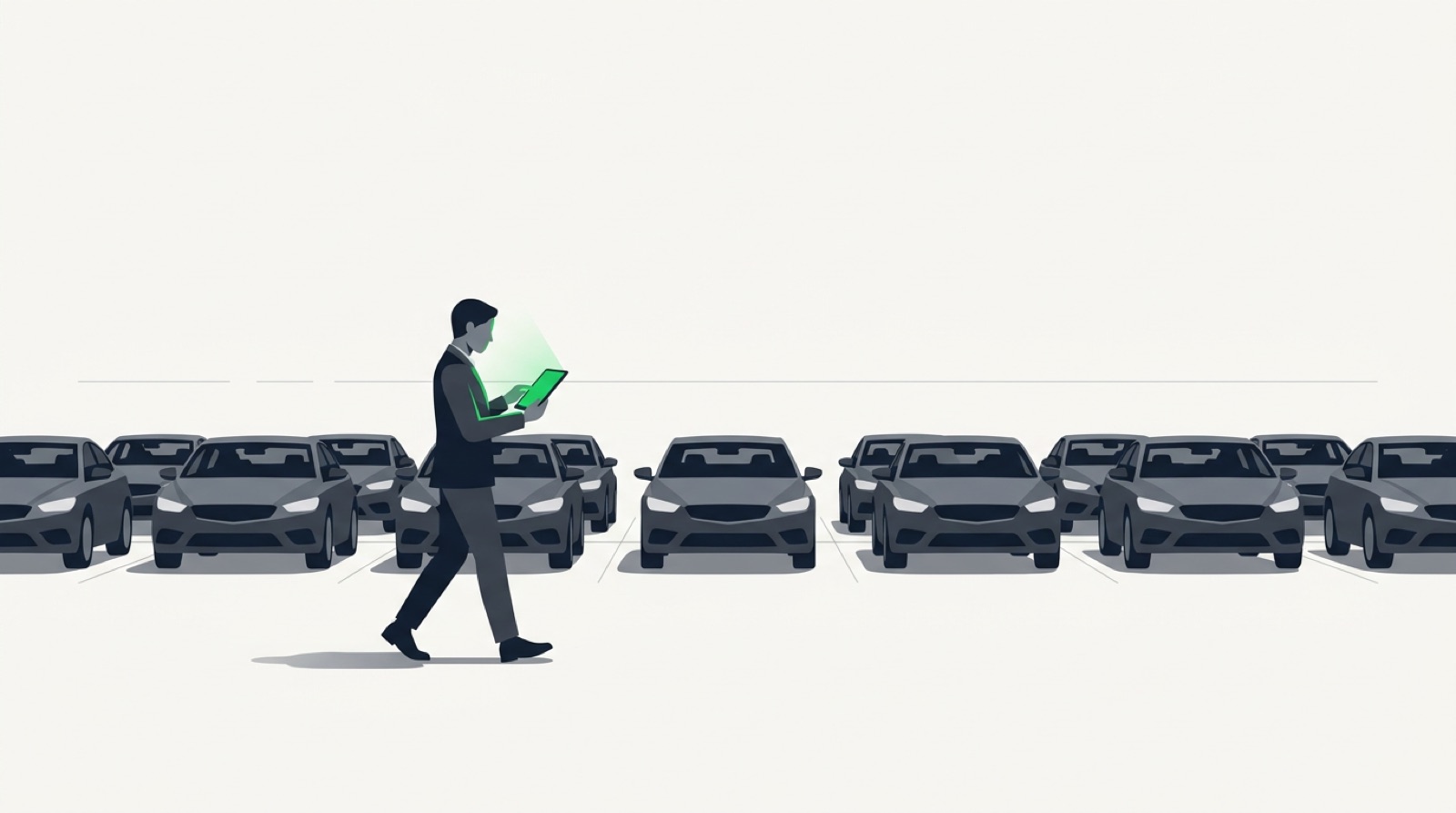
Three cars run fine on memory. Somewhere past the eighth or ninth, that stops working: a missed turnover, a double booking, a car that sat with a warning light because the note was buried in a text thread.
This is the system we run on our own direct-booking fleet: five parts, what breaks without each, and what to track. It works whether you stay on Turo, add a private channel, or start taking your Turo business private.
What Turo Fleet Management Actually Means Past 10 Cars
At three to five cars, turo fleet management is mostly memory and a phone. The owner is the system: every booking, service date and guest conversation lives in one head.
The break point is a signal more than a number. When you can no longer answer "which car needs service this week?" without checking the Turo app, a notebook and a text thread, the fleet has outgrown memory. For most operators that happens somewhere around 10 cars.
Past that point you stop doing every task yourself and start running the systems that get them done. A turo fleet of 12 cars is a small company, and it needs the plumbing of one.
The Five Systems a Growing Turo Fleet Needs
Every fleet past double digits needs the same five systems, whatever tools run them.
1. Scheduling and calendar control
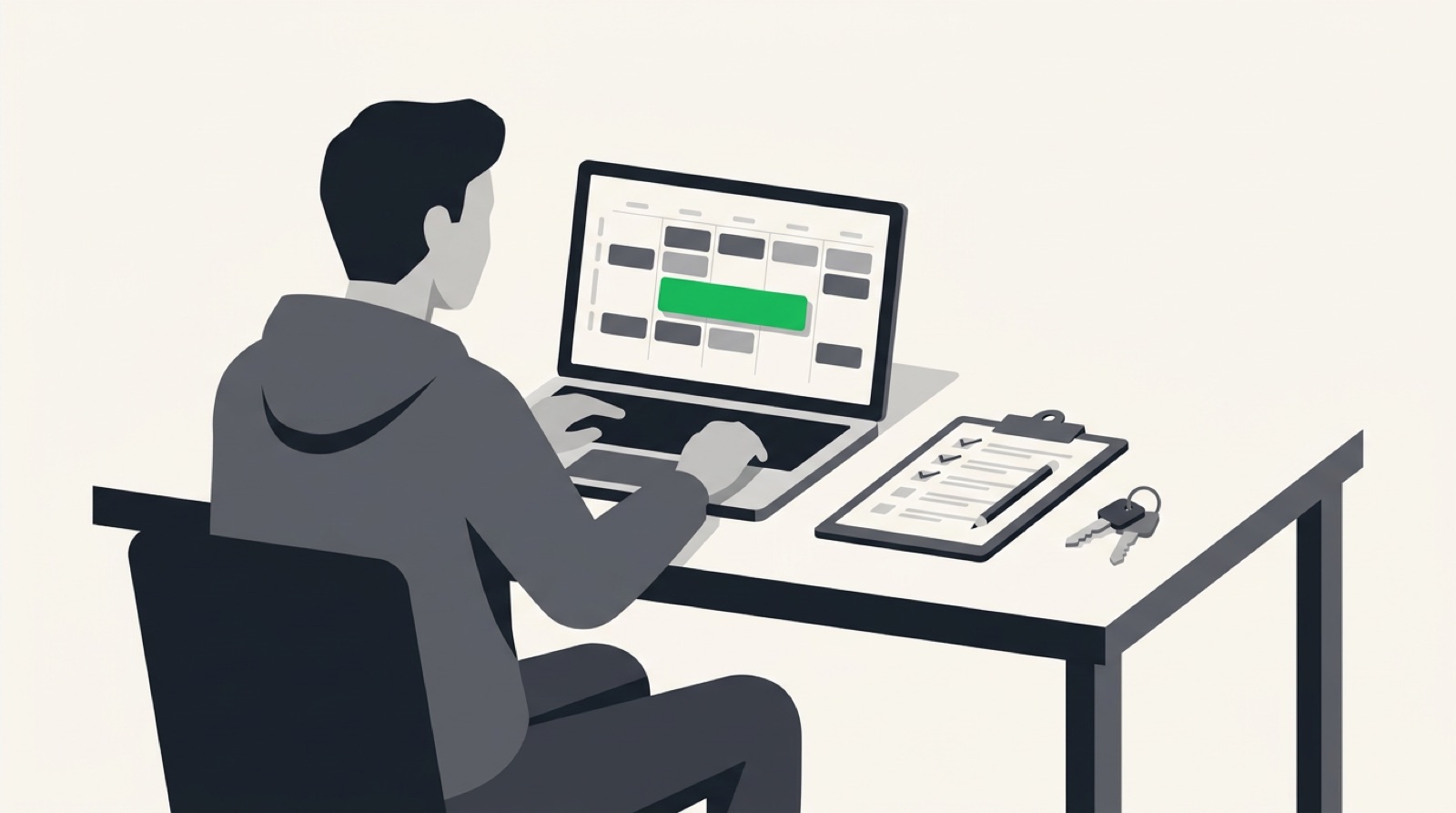
On Turo alone, Turo's calendar is your record. Once a car is also bookable elsewhere (your own site, a repeat guest who phones), you need one calendar that knows every reservation, or the same car gets promised twice. If you list on a third marketplace too, check exactly which calendars sync with which.
2. Maintenance tracking
Each car needs its service history and status in one place: last oil change, tires, open issues, next service due. At 12 cars that record has to be visible to anyone who touches the car and tied to the calendar, so a car going in for brakes is blocked before a guest books it. In Zilarent's dashboard you log and schedule maintenance against each car. Checking what is coming due stays a job you own, so put a weekly maintenance review on the calendar.
3. Turnover and cleaning
The window between trips caps how many bookings a car can take in a month. If turnover is "fit it in when you can," that window grows and the car sits. Schedule it: a set buffer between trips, a checklist for every clean, and a named person for each car each day. It is usually the first job an operator hands off, so write it down first.
4. Guest communication at volume
Ten listings produce a steady stream of messages: pickup instructions, extensions, late returns, tolls. Answering each from scratch is where your evenings go. Template the ten messages you send most, keep every thread findable, and decide which questions a helper can answer.
5. Payout and revenue tracking
A platform payout total says the fleet earned money. Per-vehicle numbers say which cars earned it. Turo payouts also arrive with the platform's share already taken; here is how much Turo actually takes from a host.
For scale, counting gross bookings across Turo and direct for fleets managed on Zilarent: a 65-car Hawaii operator runs about $2,100 per car per month, and other operators' 30-day totals ranged from about $6,000 to $106,000. Those are gross bookings before financing, insurance, cleaning, maintenance and processing, never profit.
| System | What breaks without it | What a fleet dashboard should track |
|---|---|---|
| Scheduling | Double bookings across channels | Every reservation and availability block, per car, in one calendar |
| Maintenance | Cars going out overdue for service | Service history, open issues and status for each vehicle |
| Turnover | Idle, dirty cars and late starts | Daily tasks: which car, which job, who owns it |
| Guest communication | Slow, inconsistent replies | Templates and a record of every guest thread |
| Payouts | Keeping the wrong cars | Utilisation, idle time and revenue per vehicle |
Where Turo's Own Tools Stop Helping
Turo runs the trip itself well: listing, booking, payout. Its host services page offers vehicle financing, off-trip insurance through a partner, and a program where a nearby host manages your car for a share of earnings. Those help with a second or third car. None is an operations system for coordinating twelve.
The gap shows up in the field. A long-running r/turo thread asks for an account or fleet manager to take over scheduling and renter messaging. Hosts pushing volume often chase the badge next; here is what it takes to become a Turo Power Host.
The other limit is scope. Turo's tools know what happens on Turo, and nothing about a phone booking, your private site or the car at the shop. Once you manage a fleet across multiple listings and channels, you need a record above all of them.
Running a Private Channel Alongside Turo
Many operators reach 10 cars and open a second channel at the same time: their own booking site, with Turo still running. That doubles the scheduling problem unless both share one calendar.
Zilarent is built for exactly that setup. Two-way Turo calendar sync keeps a car listed on Turo and on your private site from double-booking. The fleet dashboard holds reservations, availability blocks, maintenance, vehicle status and daily tasks, and the reporting shows utilisation, idle time and revenue per vehicle. That is turo fleet management with both channels in one dashboard. It handles multiple locations under one account, and phone bookings entered by hand block the calendar too. Each business has one login today; staff roles are coming soon.
Nathan, who runs 45 vehicles, puts it plainly:
“Finally, I have my own brand and direct customer relationships. The Turo sync means I never worry about double bookings.”
The private side is a branded booking site on your own domain with Stripe payments, deposits, e-signature agreements and ID verification. Our car rental management software page covers the dashboard, and the full product is our car rental software built for independent fleets. Most Turo hosts go live in five to seven business days.
Mistakes That Burn Out Growing Operators
- Running every car's status from memory. It works until you are sick or on a plane, and the fleet stops with you.
- Treating cleaning as "fit it in." Turnover expands to fill every gap, and every gap is a lost booking day.
- Adding cars faster than the workload has been tested. Add two, run a month, then add more.
- Having no per-vehicle view of profit, so you keep the busy car that drags and sell the quiet one that earns.
- Waiting for a bad month to build the system. Build it at car eight or nine, while things are calm.
Growth changes your risk as well. If a private channel is part of the plan, start arranging insurance before you scale, because Turo's protection plans cover Turo trips only.
Turo Fleet Management FAQ
What does turo fleet management actually include?
Turo fleet management covers five systems: scheduling (one calendar of record across channels), maintenance (service history per car), turnover (scheduled cleaning between trips), guest communication (templates and one inbox) and payout tracking (revenue and utilisation per vehicle).
How many cars can one person manage on Turo before needing a system?
There is no fixed number. The signal is when "what does car seven need today?" means checking several places. For most operators that comes between 8 and 12 cars.
Do Turo's own host tools work for managing a fleet, or just one car?
They work well for running trips on Turo. Turo's host services focus on financing, off-trip insurance and growth programs, and its calendar knows only what is booked or blocked on Turo. Ten or more cars across channels need a separate record of reservations, maintenance and status.
How do I stop double bookings once a car is listed on more than one channel?
Use one calendar of record with two-way sync, so a booking on either channel blocks the car on the other automatically. Zilarent's Turo calendar sync does this between Turo and your private booking site.
How should I track utilisation across a growing Turo fleet?
Track it per vehicle: days booked against days available, idle time between trips, and revenue per vehicle. Those show which cars to keep, reprice or replace. Your target depends on your pricing; one 65-car operator on Zilarent prices low on purpose to run near 100% utilisation.
Thinking About Adding Structure?
The five systems work whether or not you ever take a car off Turo. Write them down, give each an owner, and the fleet stops depending on your memory. If you also want a private channel, Zilarent runs those five systems from one dashboard with Turo sync built in. It is $299/month (waived above $1M in Zilarent bookings over 12 months), plus a 6% booking fee and a one-time setup fee quoted on your demo call; see Zilarent pricing. Book a demo, or see how the move off Turo works.
Run the whole fleet from one dashboard.
Turo sync, maintenance, daily tasks and per-vehicle reporting, set up for you by a real team.
No commitment. We’ll reach out within 24 hours.